

Pellet Stove Service
Pellet Stove Service
If you're in search of a small and efficient stove, this is the one for you! Chimcare's pellet stove service can provide you with the best assistance possible.
- $299Chimney Sweep + Inspection
- $69Chimney Inspection
- $49Gas Fireplace Diagnostic
- WrittenRepair & masonry quotes, no obligation

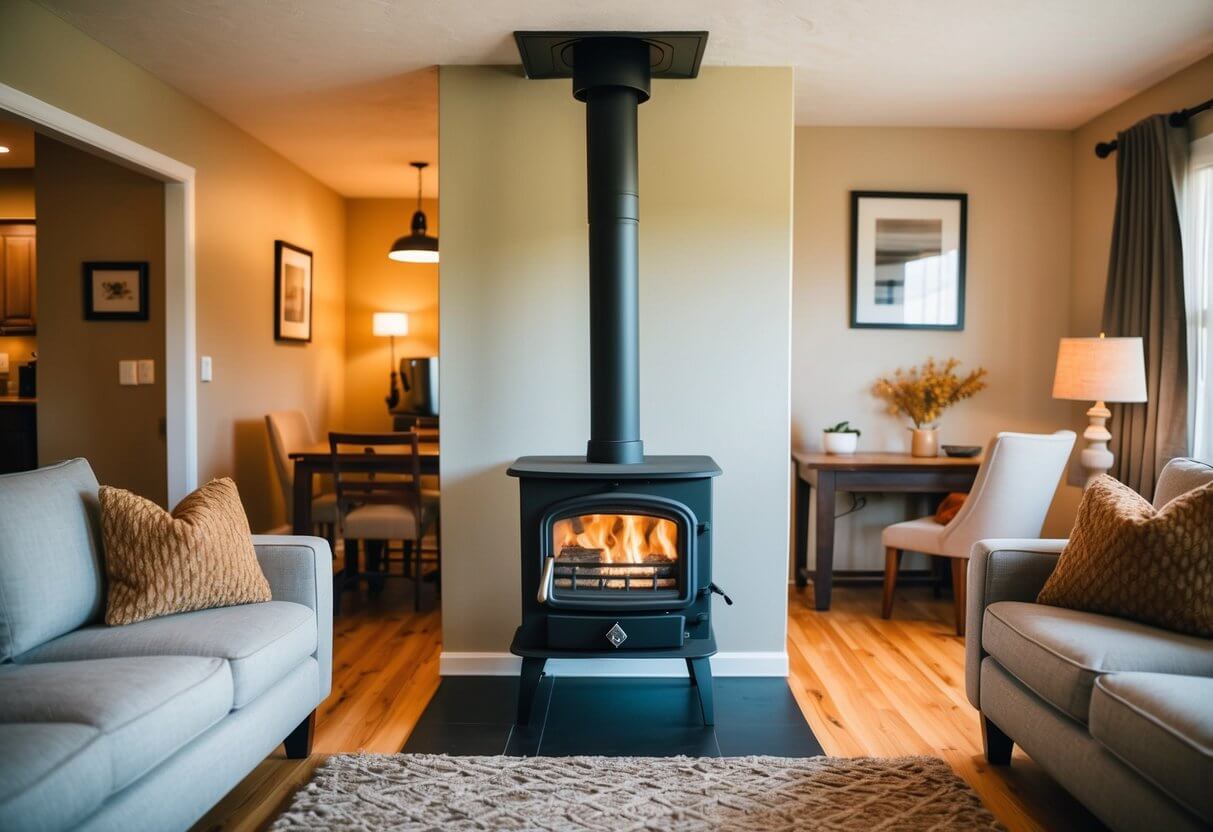
Pellet Stoves
Does a Pellet Stove Need a Chimney: Essential Venting Requirements Explained
Pellet stoves have become a popular heating option for homeowners seeking efficient and eco-friendly alternatives. These modern appliances offer a blend of traditional charm and advanced technology, providing warmth and comfort while minimizing environmental impact. As with any heating system, proper maintenance is crucial for optimal performance and longevity.
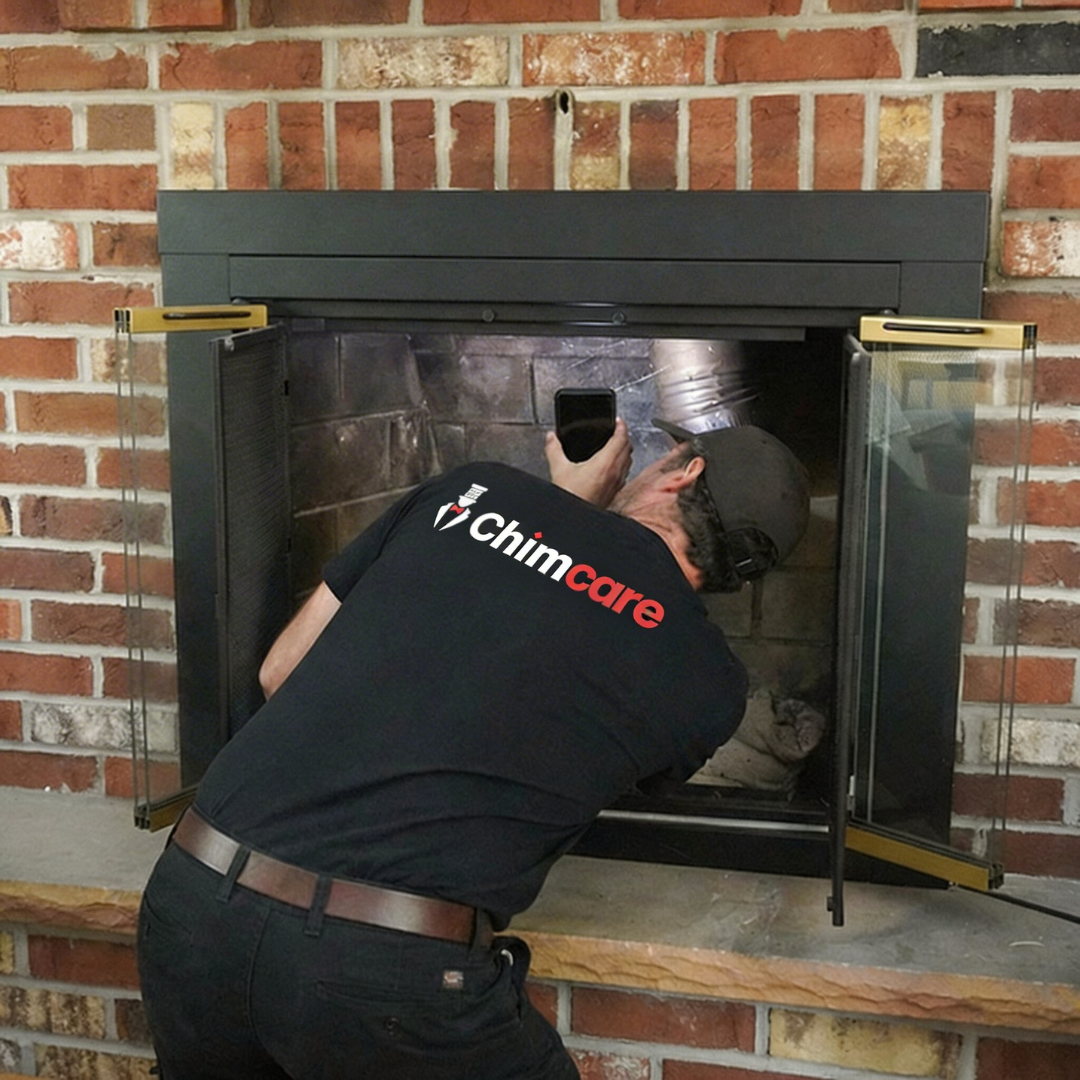
Regular inspection and cleaning of pellet stoves are essential tasks that ensure their continued efficiency and safety. Professional technicians with specialized knowledge and tools can thoroughly examine and clean these appliances, addressing potential issues before they become major problems. This proactive approach not only enhances the stove's performance but also contributes to a safer home environment.
Key Takeaways
- Pellet stoves combine traditional heating with modern, eco-friendly technology
- Regular maintenance is crucial for optimal performance and safety
- Professional inspection and cleaning services ensure efficient operation
Why Chimcare
Why homeowners trust Chimcare
Local & Trusted
Local technicians backed by a company serving homeowners since 1989, with 78,000+ happy clients.
Dust Free Cleaning
We protect your floors and furniture and clean up after every job, so your home stays spotless.
Safety First
Every visit focuses on keeping your chimney and fireplace safe, and we flag any hazards before they become problems.
Transparent Pricing
You get a clear, upfront quote before any work begins, no hidden fees or surprise charges.
How It Works
How Pellet Stoves Function
Pellet stoves are compact, efficient heating devices that use compressed wood or biomass pellets as fuel. They operate by automatically feeding pellets from a storage hopper into a combustion chamber. A fan draws in air from the room and pushes it through the heating chamber. As the pellets burn, they create heat that warms the air. This heated air is then circulated back into the living space.
These stoves require electricity to run their automated systems. They are known for their high efficiency and low emissions compared to traditional wood-burning fireplaces. Pellet stoves produce minimal ash and are considered an eco-friendly heating option.
Key components of a pellet stove include:
- Hopper for storing fuel
- Automatic pellet feeding system
- Combustion chamber
- Fan for air circulation
- Heat exchanger
Pellets are typically sold in bags, making them easy to store and load into the stove as needed. The automated nature of pellet stoves offers convenience while providing effective home heating.
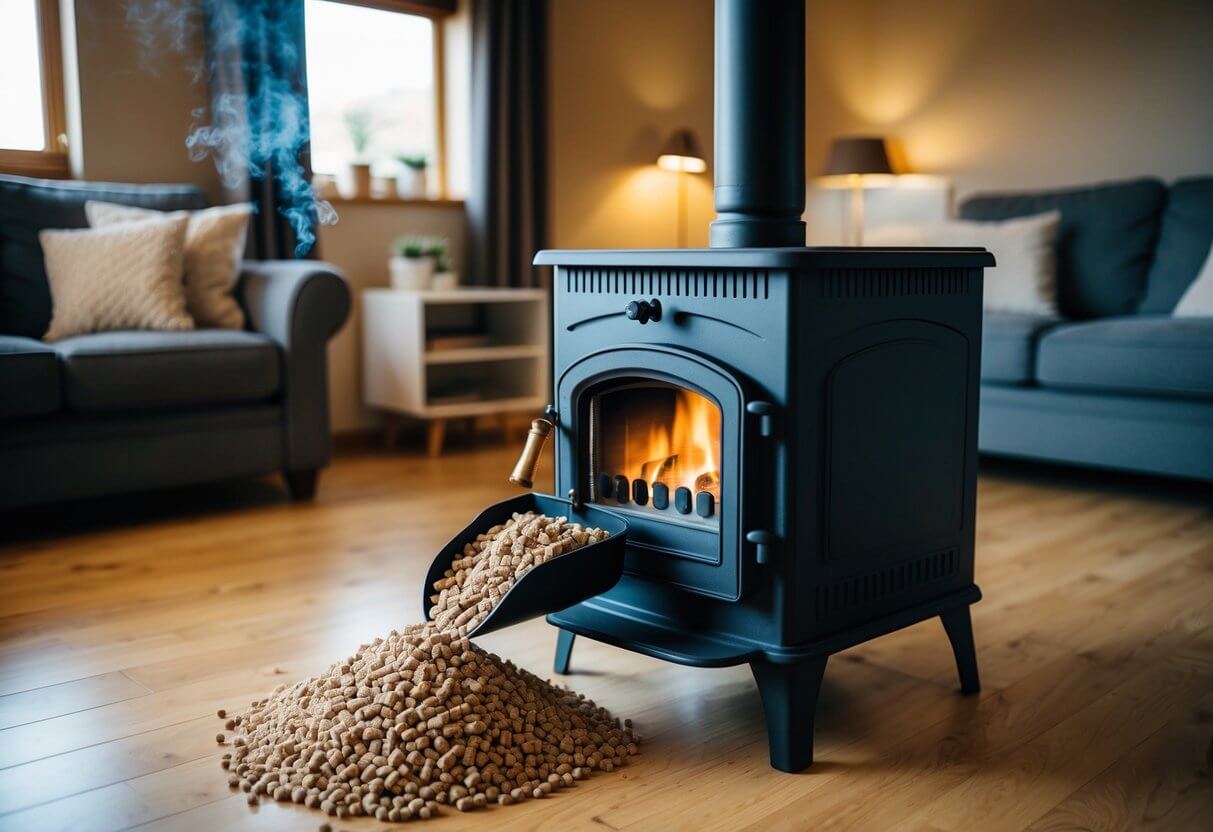
Cleaning
Keeping Your Pellet Stove Clean and Safe
Pellet stoves need regular cleaning to work well. Empty the ash pot often. This helps air flow better. Scrub carbon buildup inside the stove and tubes. Wipe the glass on the burner door. Check the hopper and auger tube for dust.
While basic cleaning is easy, yearly expert care is a must. Pellet stoves have complex parts that need skilled hands. Book a pro check each year before winter. They'll make sure everything runs safely.
Here's a quick cleaning checklist:
- Empty ash pot weekly
- Brush off carbon deposits monthly
- Clean glass as needed
- Clear hopper and auger every few months
Remember, good upkeep means a warmer, safer home. It also helps your stove last longer and use less fuel. Clean stoves make less noise and vent waste air better. This cuts the risk of carbon monoxide buildup.
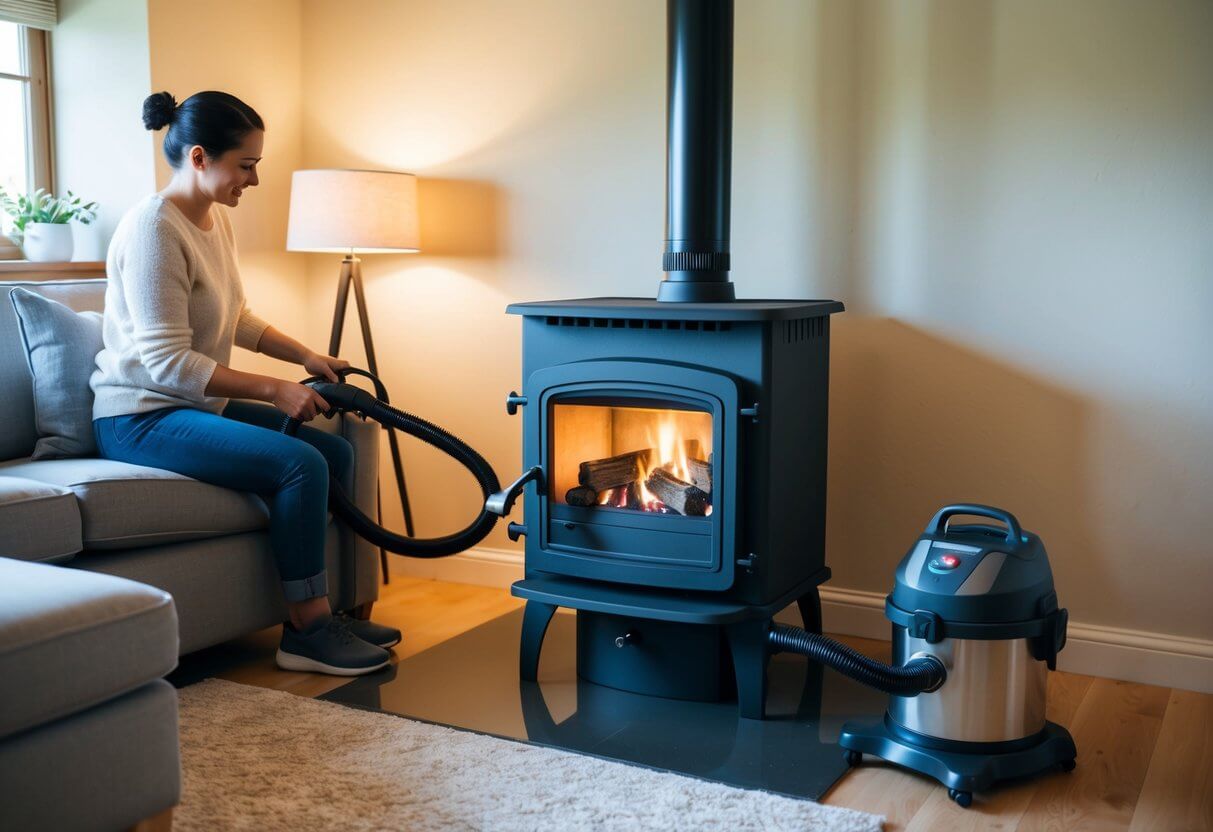
Expert Care
Expert Pellet Stove Maintenance and Care
Pellet stoves need regular upkeep to work well and stay safe. Our skilled team can help keep your stove in top shape. We check and clean many parts of pellet stoves.
We look at the whole stove for any problems. Then we clean key areas like:
- Inside parts
- Heat exchanger
- Burn pot
- Ash pan
- Glass
- Fans
- Chimney pipe
We also check important pieces such as:
- Ignitor
- Gaskets
- Wiring
- Auger motor
- Venting seals
After cleaning, we make sure all moving parts work right. We test the stove to check it runs well.
Our experts know how to work on gas, wood, and pellet stoves. They have top skills from groups like the National Fireplace Institute and Chimney Safety Institute of America.
Regular check-ups can catch small issues before they grow. This helps avoid costly fixes later. It also keeps your home safe from fire risks.
Book a visit with us to keep your pellet stove working its best. Our team can help with checks, cleaning, and fixes to keep your home warm and cozy.
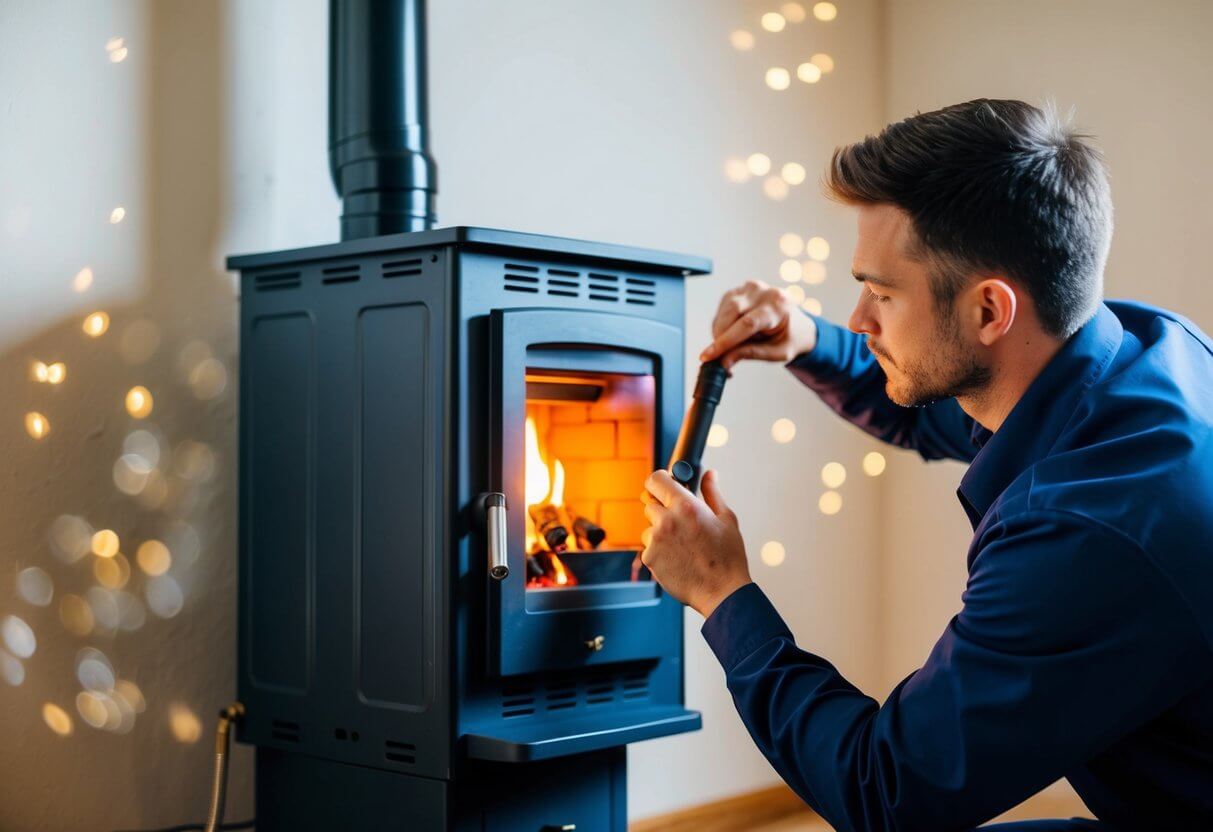
FAQ
Common Questions About Pellet Stove Chimneys
Need something else? Call (888) 855-2889 and we’ll help.
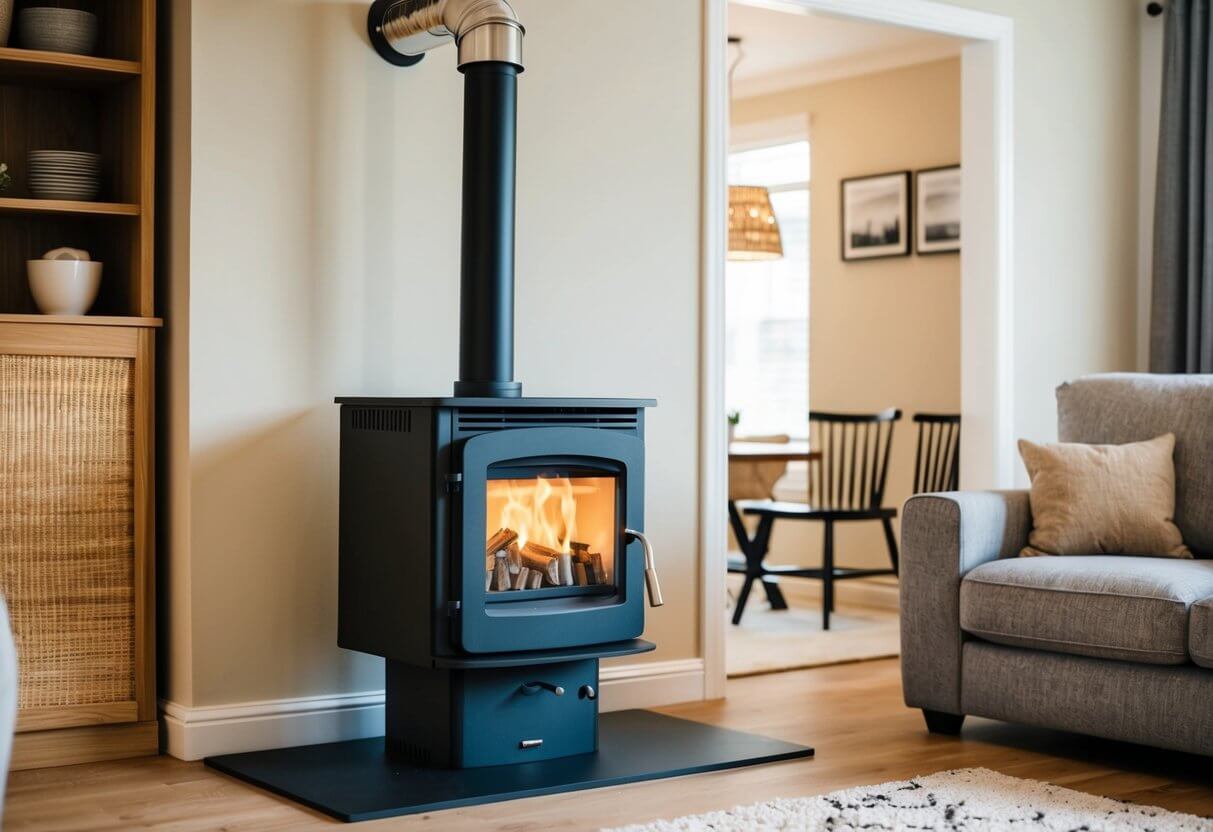
Pellet stoves need proper venting to work safely. Most need a pipe that goes outside. This pipe can be through a wall or up through the roof. The pipe must be the right size and type for the stove. It's important to follow local rules when installing a pellet stove chimney.
A pellet stove doesn't always need its own chimney. Many can use a small vent pipe through an exterior wall. This is different from traditional fireplaces. The key is to have a way for smoke and gases to exit safely. Some homes may need a full chimney, while others can use simpler venting options.
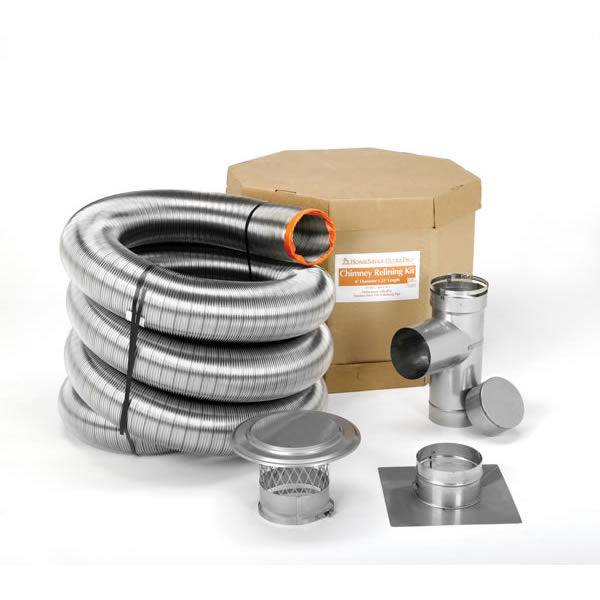
Yes, pellet stoves can often use existing chimneys. This can be a good option if the chimney is in good shape. A liner might need to be installed inside the old chimney. This helps the pellet stove vent properly. It's important to have a professional check if an old chimney will work with a new pellet stove.
Installing a pellet stove chimney involves several steps:
- Choose the right spot for the stove
- Decide on the venting path
- Make holes for the vent pipe
- Install the vent pipe and any needed supports
- Seal all connections to prevent leaks
- Add a cap to the top of the chimney
A professional installer should do this work to ensure it meets safety codes.
True ventless pellet stoves are rare. Most pellet stoves need some form of venting. Some models are designed for very efficient burning and may use a small vent pipe instead of a full chimney. But even these need a way to release exhaust outside. Safety is key, so a completely ventless pellet stove is not common or recommended.
Pellet stoves and wood stoves vent differently:
- Pellet stoves often use smaller pipes
- Wood stoves usually need larger, insulated chimneys
- Pellet stoves can sometimes vent horizontally through a wall
- Wood stoves almost always vent vertically through the roof
- Pellet stoves have a fan to push out exhaust
- Wood stoves rely more on natural draft
These differences are due to how each type of stove burns fuel and creates exhaust.
Limited time offer
Refer and get 25% off, both of you!
Know a neighbour with a fireplace? Send them our way and you both save.




Book a Pellet Stove Visit
Book a visit with us to keep your pellet stove working its best. Our team can help with checks, cleaning, and fixes to keep your home warm and cozy.